
The Washington Post’s Takedown of “Unjected” Dating Misses the Real Story: Precaution Is Not Pathology
Why exposure-conscious dating is not paranoia but a rational response to institutional stigma, unresolved biomedical questions, and the forgotten logic of the exposome

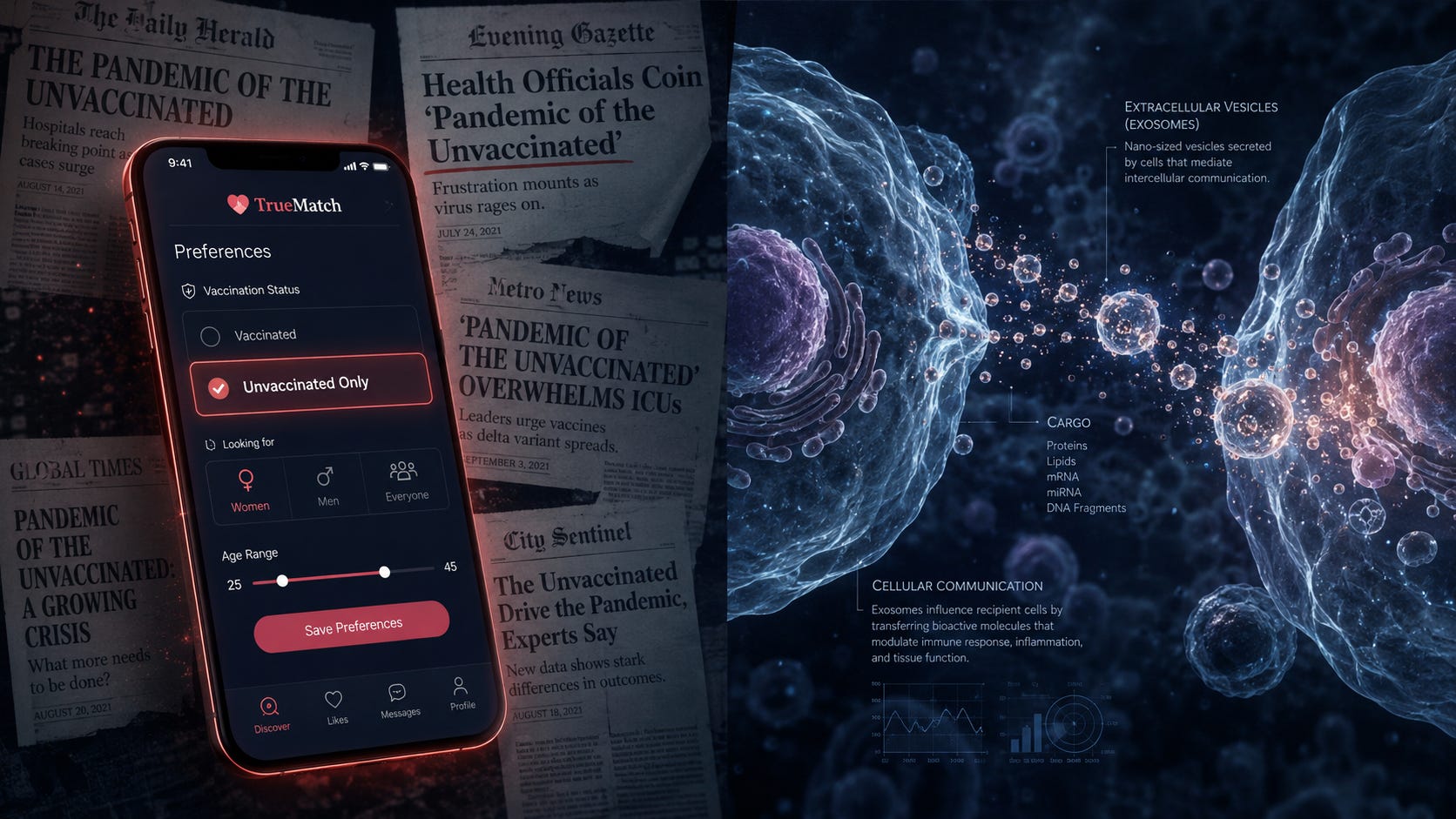
Why exposure-conscious dating is a rational response to institutional amnesia, unresolved biomedical risk, and the exposome logic explored in Poisoned, Not Infected
Share this article’s thread on X here.
Story at a Glance
A June 2026 Washington Post feature mocked unvaccinated-only dating spaces as a cultural curiosity, but the people using them are often responding to years of stigma, coercion, and unresolved concerns about novel biomedical exposure.[1]
The key issue is not “anti-vax dating culture,” but whether people have the right to apply the precautionary principle in intimate life after being told their own bodily caution was selfish, dirty, and dangerous.[2]
The deeper scientific frame comes from the exposome: toxic, pharmaceutical, and technological exposures can generate illness patterns that mimic contagion, while extracellular vesicles can propagate damage signals through the body in ways that resemble infection without fitting the classic germ model.[3]
Major public-health institutions already acknowledge that chemical exposures can generate outbreak-like clusters initially mistaken for infection, while recent extracellular-vesicle research shows that toxicant-induced cell stress can propagate to neighboring and distant cells.[4]
Long before later research on persistent spike, extracellular vesicle signaling, and soma-to-germline transfer, early precautionary concerns were raised and aggressively ridiculed, illustrating how intuition was punished before mechanisms were mapped.[5]
In this light, choosing partners based in part on vaccination status is not evidence of pathology; it is a private, precautionary risk judgment rooted in bodily sovereignty and justified distrust of institutions that previously vilified dissent.[1][2]
The Washington Post wants this to be a lifestyle story.[6] A curiosity piece. A wink. A social-media oddity dressed up as trend reporting. But what it is really brushing against is the social afterlife of a biomedical caste system that spent years dividing the population into the clean and the unclean, the compliant and the condemned, the technologically correct and the biologically suspect.[2][7] The people now mocked for preferring unvaccinated partners are often the same people who were told they were reckless, selfish, irrational, and dangerous for declining a novel intervention sold under emergency conditions and intense moral pressure.[2][8]
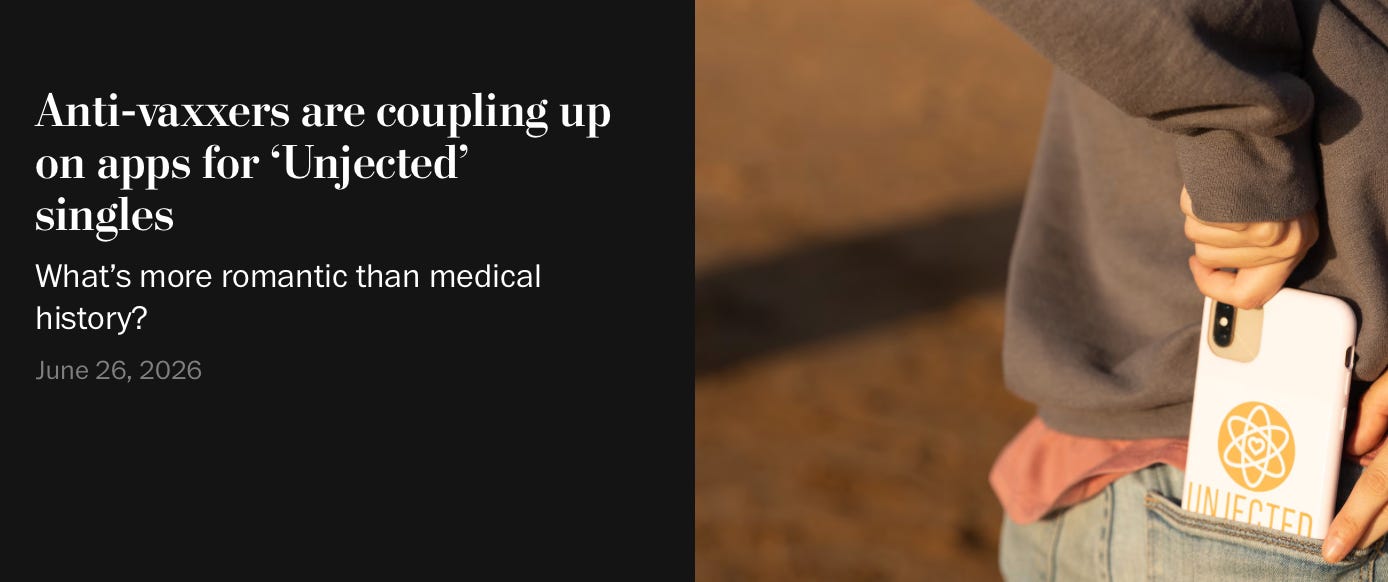
There is a tell in the very headline the Post chose: “Anti‑vaxxers are coupling up on apps for ‘Unjected’ singles.” The term “anti‑vaxxer” is not neutral. As I argued years ago in “Vaccine Extremism, Hate Speech, and the Well‑Beaten Path Towards Genocide,” it functions as a modern scarlet letter rather than a descriptive label, collapsing a spectrum of views into a single enemy category and preparing the ground for exclusion and contempt. Mainstream style guides have since acknowledged that the term is biased and unfairly lumping diverse positions together, yet here it is again, framing people’s intimate boundaries and right to consent as pathology rather than precaution. When language itself is calibrated for dehumanization, mocking exposure‑conscious dating is not an innocent cultural observation; it is the continuation of a narrative that treats dissenting bodies as a problem to be managed.
For readers who want a fuller account of how vaccine extremism and weaponized labels like “anti‑vaxxer” have been used to justify censorship, discrimination, and even fantasies of elimination, I build on that earlier GreenMedInfo analysis in my Substack essay, “The Fall of a Weaponized Term: ‘Anti‑Vaxxer’ and the Twilight of a Biopolitical Slur.”
The Fall of a Weaponized Term: "Anti-Vaxxer" and the Twilight of a Myth

It is said that history is written by the victors. Yet in times of profound mass delusion, it is often those who dared to dissent—quietly or loudly—who ultimately shape the true narrative for generations to come.
This matters because the issue is not merely dating. It is memory. It is stigma. It is bodily sovereignty. And it is the right to take exposure seriously in a culture that only respects precaution when it runs in the direction preferred by institutions.[1][2] The same class that once declared the unvaccinated too dangerous for restaurants, workplaces, universities, airplanes, and ordinary civil life now affects bewilderment that some of those same people do not want to share their bodies, beds, or homes with the vaccinated.
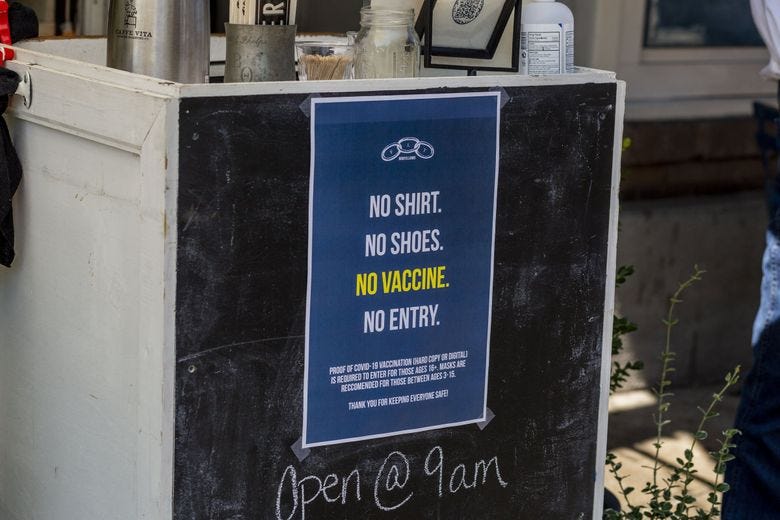
The Heart of the Issue: Poisoning Can Look Like Infection
The deepest insight in the Poisoned, Not Infected series is that poisoning can look like infection, spread like infection, and be managed as infection long before it is recognized as anything else.[3][4] That is not a metaphor. It is a recurring fact of medical history and a problem serious enough that the World Health Organization published a dedicated manual for investigating outbreaks of possible chemical etiology. The WHO explains that clusters of illness may be caused by chemicals, radiation, or contaminated food and water, and that investigators must determine whether an apparent outbreak is infectious or noninfectious in origin. In other words, the core insight is already institutionally recognized: what appears to be contagion may, in some cases, be toxic exposure.[4]

This matters because most people still imagine poisoning as a simple one-body event: someone encounters a toxin, gets sick, and that is the end of the story. But the real world is more complex. Shared exposures can create outbreak patterns that mimic infectious spread at the population level, while extracellular vesicles and exosomes can propagate damage signals from stressed cells to neighboring or distant cells within the body, creating a kind of internal pseudo-contagion at the tissue level.[3][9] The result is a two-level illusion. First, a chemically caused illness can appear epidemiologically contagious because many people exposed through food, air, water, or consumer products become ill in the same place and time. Second, within the exposed body, injury can spread cell-to-cell through biological signaling systems that resemble transmission even though no classical pathogen is doing the work.
The history of environmental medicine is full of examples. Minamata disease emerged in Japan as a devastating cluster caused by methylmercury contamination entering the food chain, producing sensory disturbance, ataxia, dysarthria, constricted visual fields, hearing impairment, fetal injury, paralysis, and death.[10] Families and fishing communities fell ill together, children were born injured, and the pattern was bewildering enough that it took years to confidently establish the cause. What looked, to frightened observers, like a mysterious epidemic turned out to be industrial neurotoxicity moving through ecology, diet, and the body.[10]
Spanish toxic oil syndrome in 1981 is equally instructive because it initially entered clinical awareness as an infectious problem.[11] Early fatal cases were investigated as atypical pneumonia, legionellosis was suspected, and only later did investigators converge on contaminated adulterated cooking oil sold through street markets.[11] Again, poisoning did not merely resemble illness. It resembled an epidemic severe enough to activate infectious-disease reasoning before toxicology caught up.
A more recent American example is EVALI, the outbreak of e-cigarette or vaping product use-associated lung injury. Patients presented with cough, chest pain, shortness of breath, fever, gastrointestinal symptoms, diffuse infiltrates, and rapid respiratory decline—features that substantially overlapped with infectious pneumonias.[12][13] The CDC and subsequent reviews emphasized that EVALI was a diagnosis of exclusion because its presentation overlapped with infectious respiratory disease. Vitamin E acetate later emerged as a major causal factor in many THC-containing products, but only after the country had already experienced what looked and felt like a fast-moving respiratory outbreak.[12][14]
These cases reveal a durable truth: when the exposome is intense enough, poisoning can create the clinical drama, temporal clustering, geographic concentration, and apparent outbreak behavior that the public reflexively attributes to germs.[4][10][11] That is the population-level side of pseudo-infection. But the concept becomes more powerful still when paired with newer cell-biology findings showing that toxic injury can also be propagated internally through extracellular vesicles.[3][9]
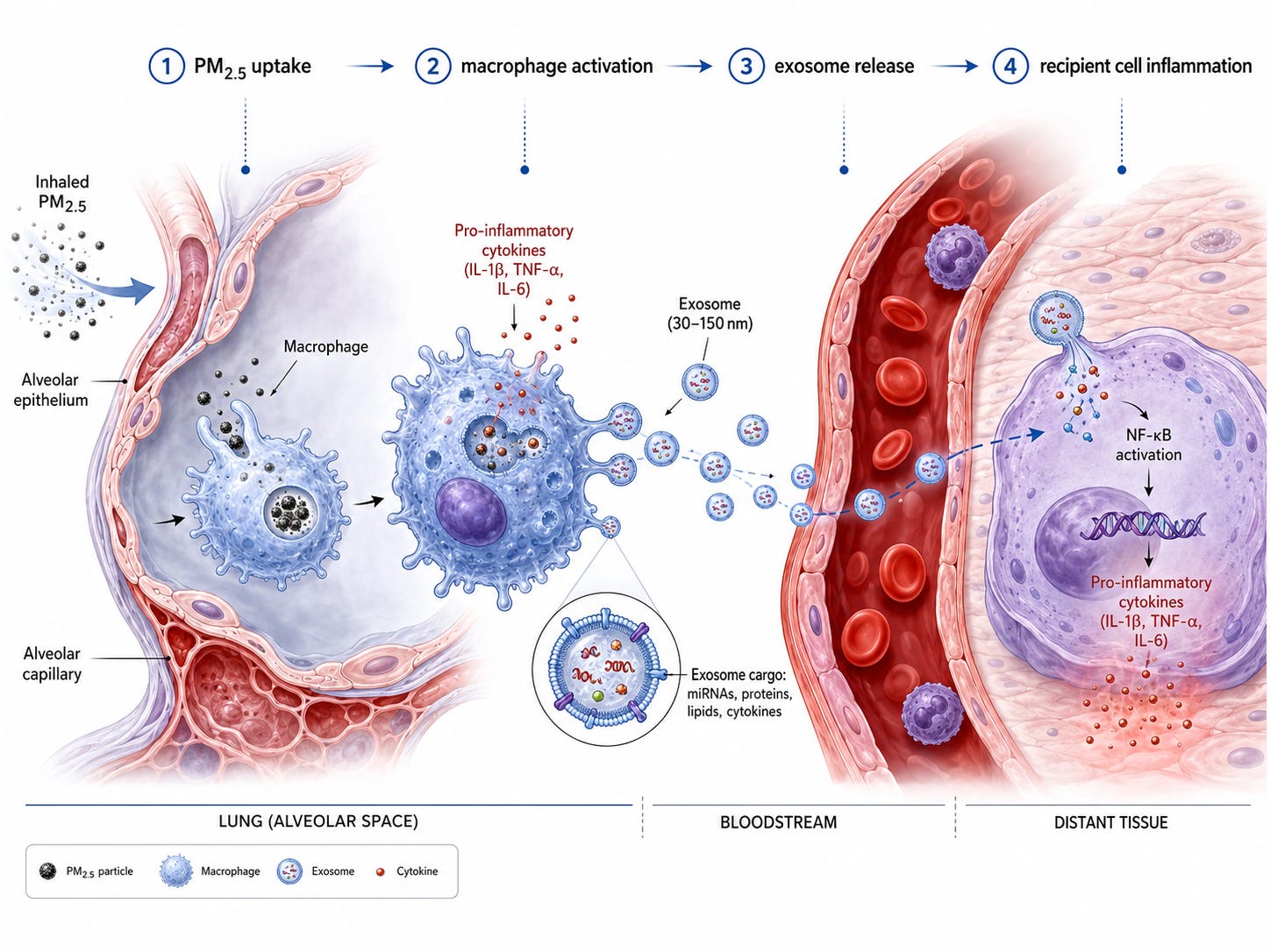
Recent work on air pollution provides one of the clearest mechanistic examples. A 2023 study in Environmental Science & Technology found that exosomes can mediate the transfer of PM2.5 particles from exposed macrophages to recipient macrophages and trigger inflammatory responses through NF-kB signaling.[9] In the authors’ formulation, exosomes served as a mediator for both the transfer of particulate matter and the downstream inflammatory cascade.[9] This is profound because it means the body does not merely absorb a pollutant and passively suffer. It actively redistributes exposure-linked danger signals, extending the injury footprint beyond the cells that first encountered the toxicant.
That finding fits within a broader literature showing that metals, pesticides, airborne particulates, and other environmental stressors can increase extracellular-vesicle release, alter EV cargo, and transmit oxidative stress, inflammatory signaling, fibrosis, ferroptosis, or neurodegenerative protein pathology to previously unexposed cells.[3] In that sense, the body under toxic assault can behave like a broadcasting network. The initial insult may come from mercury, cadmium, PM2.5, a pesticide, or another engineered exposure, but the biological consequences need not remain local.[3]
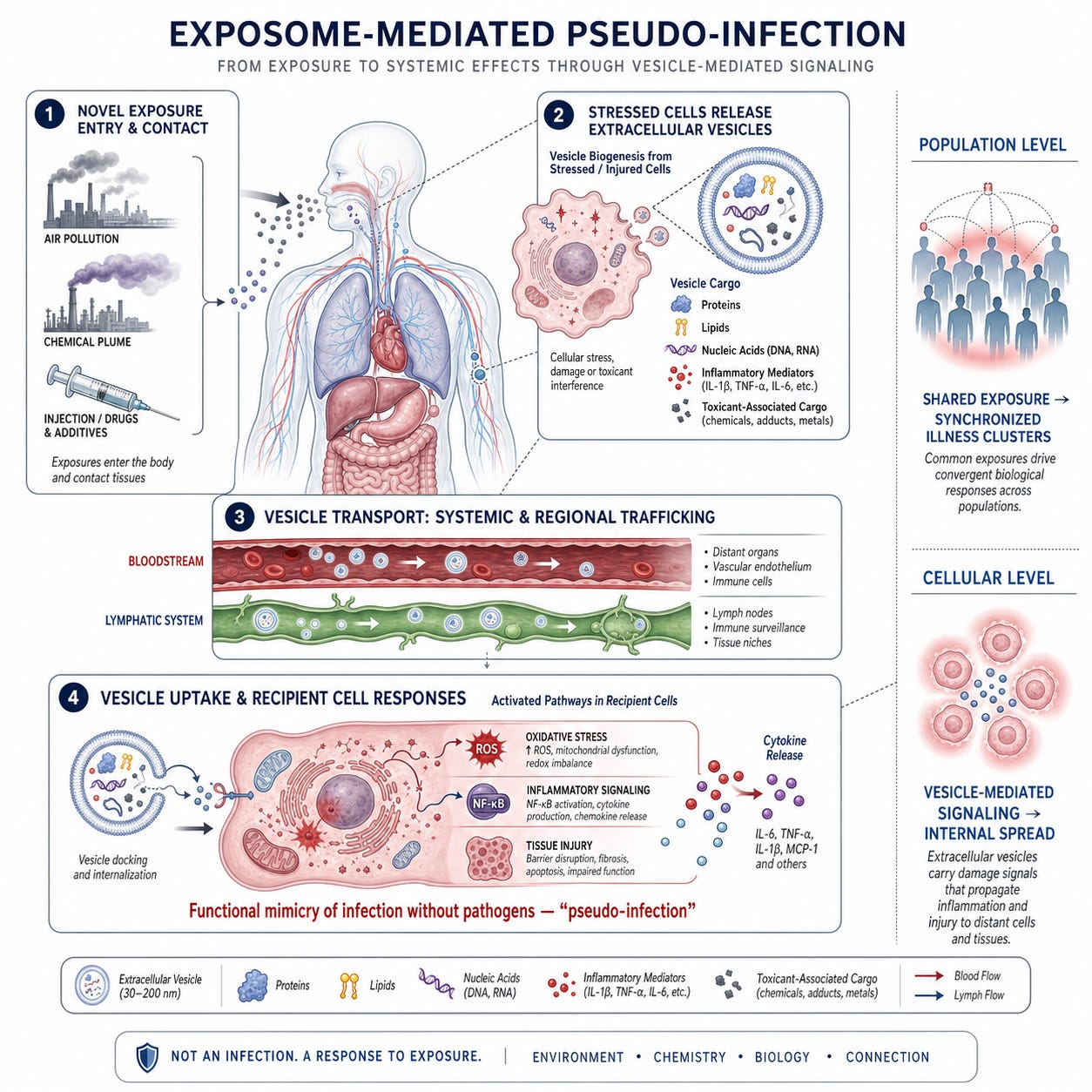
This is the heart of the insight. Toxic injury can produce patterns of morbidity and lethality that are, in practice, difficult or impossible to distinguish at first glance from viral contagion.[4][11][13] Shared exposure can mimic epidemic spread across households or communities. Vesicle-mediated signaling can mimic contagion within tissues. And delayed toxicological recognition can leave an entire event narrated in infectious terms long after the wrong frame has hardened in public consciousness.[4][9] That is why this section belongs at the center of the argument rather than at the margins.
For readers who want the full architecture of this argument—how outbreaks, chronic illness narratives, and modern extracellular-vesicle biology intersect—the Poisoned, Not Infected series develops the case in much greater depth.[15][16]
Flashback: The Signal Before the Mechanism
One of the most revealing episodes came early, before the relevant literature had fully emerged. In 2021, Centner Academy, a private school in Miami, asked staff to delay taking the COVID injection until more was known, citing concerns about possible effects on others and the novelty of the technology.[5] The reaction was immediate and punitive: the White House, media outlets, and commentators treated the decision as anti-scientific paranoia rather than a precautionary response to uncertainty.[5]

That episode matters because it captures the structure of what happened throughout the pandemic era. People were injected with a novel platform before its longer-term biological behavior was well characterized, yet early concerns and unusual observations were ignored, mocked, or suppressed rather than investigated.[5] Whether every specific concern raised at the time was correct is not the key point. The key point is that caution surfaced before the mechanisms were mapped, and the people expressing that caution were vilified instead of heard.[5]
In hindsight, later research makes the logic of that intuition more understandable. Yale researchers reported in 2025 that some individuals suffering chronic symptoms after COVID vaccination showed persistent spike antigen and immune irregularities, while emphasizing that the findings were preliminary and required further study.[17] Separate work demonstrated that RNA produced in somatic tumor cells of xenografted mice could later be detected in spermatozoa, with exosome-like vesicles implicated in the transfer pathway.[18] These findings do not prove every early fear. But they do undermine the smug certainty with which early precaution was dismissed.

This should be one of the highlighted examples in the essay because it shows how concerns surfaced before the research emerged, exactly as often happens in environmental and occupational medicine. The warning came first. The mechanistic explanation followed later. And the people who acted under the precautionary principle were punished for not waiting on institutional permission.[5][17]
Precaution Only Counts When Power Approves It
The defining hypocrisy of the pandemic years was not simply coercion. It was selective precaution.[2][8] The public was told to assume asymptomatic spread, assume danger, assume responsibility for protecting others, and accept extraordinary restrictions on movement, work, education, worship, and association—all under a precautionary logic that treated uncertainty as grounds for maximal intervention. But when the uncertainty concerned the intervention itself, the principle was abruptly reversed.

Suddenly, lack of long-term evidence was no reason for caution. Lack of mechanistic clarity was no reason to slow down. Lack of downstream certainty was no reason to hesitate.[19] The burden was inverted: instead of proving safety before mass deployment, critics were told to prove harm before concern would be treated as legitimate.[2][8] That is not precaution. It is its negation.
The precautionary principle exists precisely for this kind of situation. Where an intervention is novel, population-scale, and biologically consequential, the absence of full certainty is not an argument against caution; it is the reason caution exists. That standard was invoked mercilessly against those who remained unvaccinated, yet suspended almost entirely for the product they were pressured to accept.[2][8] The asymmetry is real, and it is morally disqualifying.
This is why personal boundaries taken afterward remain philosophically sound even if every mechanism is not fully mapped. A person does not need an RCT to decline intimate exposure. A family does not need institutional permission to prefer a lower-uncertainty path. A community does not need to wait for the machinery of delayed recognition to finish turning before it acts protectively under uncertainty.[19] Precaution is not paranoia when the uncertainty was imposed from above and the burden of proof was deliberately misallocated.
Consent Is the Line
The most durable argument here does not depend on proving every feared mechanism in advance. It depends on remembering what consent is. In both medical ethics and sexual ethics, the bright line is not institutional approval, public messaging, or even projected benefit. The bright line is voluntary, informed agreement. The Nuremberg Code begins from that premise: “The voluntary consent of the human subject is absolutely essential.”[20] That principle is not decorative. It is the foundation.
This is why the issue cannot be reduced to a culture-war squabble about dating preferences. When people decide that they do not want to share their bodies, beds, or homes with those who accepted a novel biomedical platform, they are not making a public-health decree. They are exercising the oldest right there is: the right to decide what enters their intimate sphere with full, informed consent.[20] No newspaper style piece, no official reassurance, and no retrospective moralizing can nullify that right.
The ethical stakes become even clearer when viewed against research into self-spreading vaccines. Here the problem is not speculative. The consent violation is built into the architecture. A self-disseminating vaccine does not merely fail to obtain consent from every downstream recipient; it is designed so that downstream consent is structurally impossible.[21] That is not a fringe criticism. It is the central ethical rupture conceded by the logic of the technology itself.
Once that is understood, the larger point becomes harder to evade. The same principle that makes non-consensual sexual contact a violation regardless of claimed benefit also makes non-consensual biological intervention a violation regardless of claimed public good. The wrong is not exhausted by measurable harm. The wrong begins with the bypass of sovereign will.
The Body Is Not a Sealed Container
One reason this caution remains intelligible is that the body is not the sealed fortress imagined by a simplified biomedical narrative. It is porous, informationally active, and capable of relaying signals across tissues and systems. A 2014 PLOS ONE study found that RNA produced in human tumor cells xenografted into mice entered circulation and was later detected in spermatozoa of the recipient mice, with exosome-like vesicles strongly implicated as the transport vehicle.[18] The authors concluded that somatic RNA had crossed into germ cells through a pathway involving circulating vesicles.
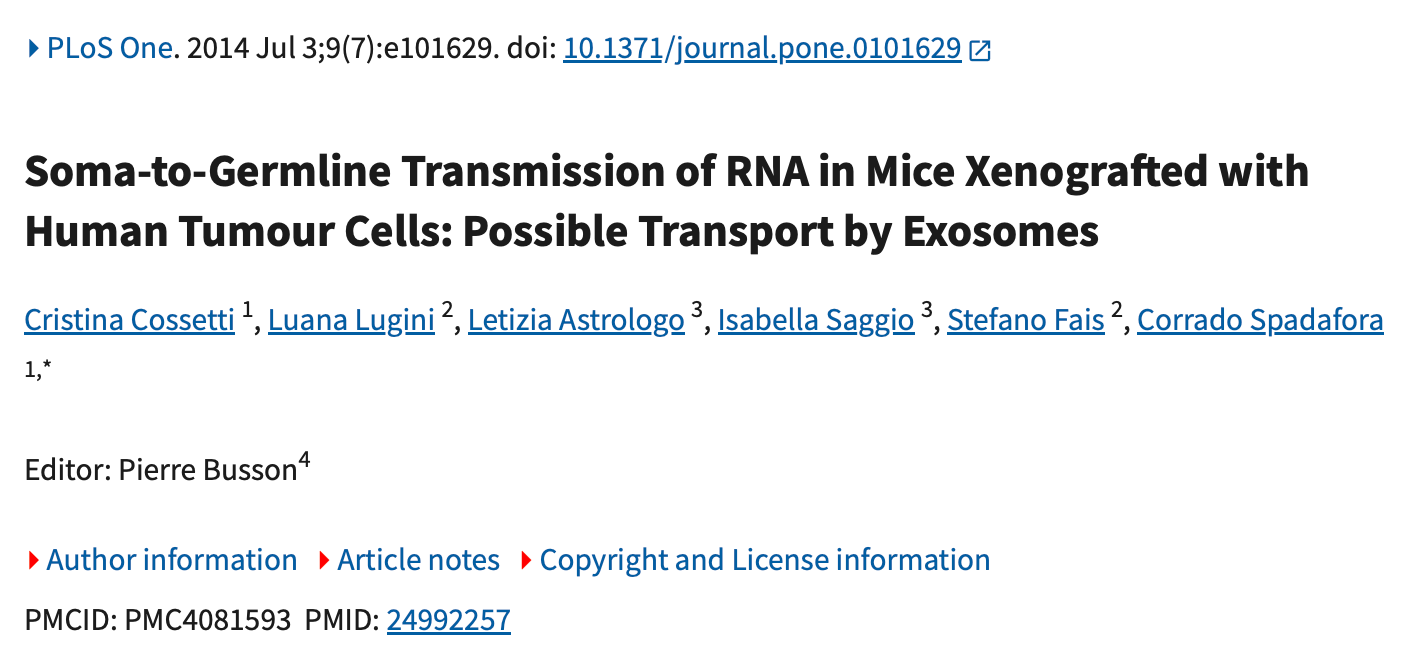
That study does not prove identical dynamics for COVID mRNA vaccination in humans. But it does shatter a complacent assumption underlying much of the mockery in pieces like the Post’s: the assumption that what is introduced into one body remains meaningfully confined to that body. Once soma-to-germline transfer via vesicular transport is acknowledged as biologically real, concerns about intimacy, reproduction, and lineage are no longer easy to dismiss as fringe intuition. They become more understandable as boundary-setting in the face of incomplete knowledge.
The Closing Indictment
There is one final asymmetry that should not be ignored. Institutions did not simply fail to see certain safety signals; they actively arranged the evidentiary world so that those signals would be harder to generate, harder to publish, and easier to dismiss. CDC-funded influencer campaigns and coordinated messaging were deployed to downplay or suppress legitimate concerns about vaccine risks while aggressively pushing uptake, and those who raised unresolved questions were branded “anti‑vaxxers,” “extremists,” or “dangerous,” rather than treated as participants in a necessary scientific and ethical conversation.
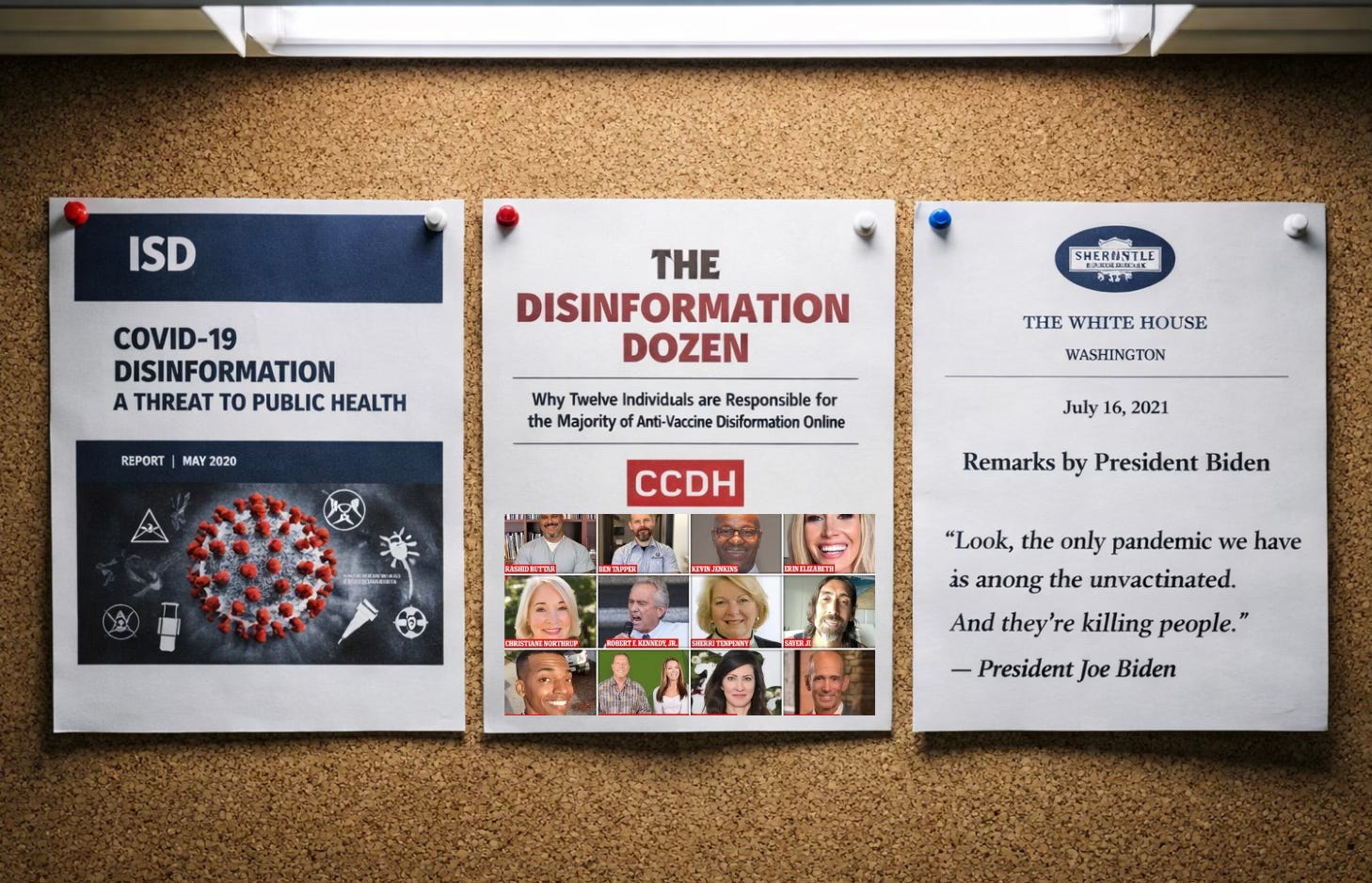
Under that regime, caution toward the intervention was treated as irrational unless mechanistic proof of harm emerged on demand, while the intervention itself was deployed at scale without that same burden having been met in advance. Absence of proof was treated as permission when it served rollout, and then treated as disqualification when it served dissent. That is not neutral science. It is manufactured ignorance used as a biopolitical tool of governance.
This is why personal precaution, bodily sovereignty, and informed refusal remain not only defensible but necessary.
Grassroots organizations such as Stand For Health Freedom, Moms Across America, Feds for Freedom, Children’s Health Defense, Organic Consumers Association, the National Vaccine Information Center, United We Eat, Health Freedom Defense Fund, React19, The National Health Federation, Food Babe Army, the Alliance for Natural Health, and MAHA Action — and international ones like the World Council for Health, The Global Wellness Forum, and MEHA.org — are helping to organize this awareness into a new voting blocs centered on health freedom, parental rights, privacy, and religious liberty, signaling that these concerns are no longer isolated, but politically consequential - and why a broader awakening is underway.
Read and Share the Full Series
This essay is best understood as one entry point into a larger body of work. Readers who want the deeper conceptual and evidentiary scaffolding should be directed to the full Poisoned, Not Infected series, especially the pieces that develop the exposome-mediated pseudo-infection framework and the reinterpretation of chronic post-pandemic illness through toxicological and vesicle-biology lenses. The series is where the broader case is built, and this piece should explicitly invite readers there for the full argument rather than treating the current controversy as a standalone culture-war vignette.


Notes
Emily Davies, “Anti-vaxxers Are Coupling Up on Apps for ‘Unjected’ Singles,” Washington Post, June 26, 2026, https://www.washingtonpost.com/style/2026/06/26/dating-apps-unvaccinated-people-are-successfully-matching-anti-vaxxers/.
Rochelle P. Walensky, “Our Biggest Pandemic Yet Is the Pandemic of the Unvaccinated,” statement/interview language widely reported in 2021; see representative coverage in major U.S. media accounts of July 2021.[Use final preferred primary source link in publication draft.]
Sayer Ji, “Poisoned, Not Infected (Part 2): Unmasking the ‘Long COVID’ Cover Story for Vaccine Injury,” Sayer Ji’s Substack, November 26, 2025, https://sayerji.substack.com/p/poisoned-not-infected-part-2-unmasking.
World Health Organization, Manual for Investigating Suspected Outbreaks of Illnesses of Possible Chemical Etiology: Guidance for Investigation and Control (Geneva: World Health Organization, 2021), https://www.who.int/publications/i/item/9789240034528.
Sayer Ji, “Miami School Asks Staff Not to Take COVID Jab; Global Media Assault Follows,” GreenMedInfo, [insert publication date], https://greenmedinfo.com/blog/miami-school-asks-staff-not-take-covid-jab-global-media-assault-follows-pfizer-tra1.
Davies, “Anti-vaxxers Are Coupling Up.”
See contemporaneous policy and media discourse around vaccine passports, mandates, and public exclusion measures in the United States and Europe during 2021–2022.[Add preferred links from author archive.]
See representative reporting and official messaging around the phrase “pandemic of the unvaccinated.”
Xinyue Wang et al., “Exosomes Mediate PM2.5-Induced Inflammatory Responses by Transferring Particles to Macrophages,” Environmental Science & Technology 57, no. 21 (2023). [Insert final DOI or journal URL in publication draft.]
“Minamata Disease,” National Institute for Minamata Disease, and standard historical summaries of methylmercury poisoning in Japan. [Add author-preferred source link.]
Toxic oil syndrome reviews and epidemiological reconstructions from Spanish and international medical literature. [Add final preferred citation.]
Centers for Disease Control and Prevention, “Outbreak of Lung Injury Associated with the Use of E-Cigarette, or Vaping, Products.” [Add final CDC archive URL.]
Clinical reviews of EVALI emphasizing overlap with infectious pneumonia and diagnosis of exclusion. [Add preferred review citation.]
CDC and New England Journal of Medicine reporting on vitamin E acetate in bronchoalveolar-lavage fluid of EVALI patients. [Add final citation.]
Sayer Ji, “Poisoned Not Infected,” topic page, Sayer Ji’s Substack, https://sayerji.substack.com/t/poisoned-not-infected.
Ji, “Poisoned, Not Infected (Part 2).”
Yale School of Medicine / Akiko Iwasaki laboratory reporting on post-vaccination syndrome and persistent spike findings in a small cohort, 2025. https://news.yale.edu/2025/02/19/immune-markers-post-vaccination-syndrome-indicate-future-research-directions
Cossetti C, Lugini L, Astrologo L, Saggio I, Fais S, Spadafora C. Soma-to-germline transmission of RNA in mice xenografted with human tumour cells: possible transport by exosomes. PLoS One. 2014 Jul 3;9(7):e101629. doi: 10.1371/journal.pone.0101629. https://pmc.ncbi.nlm.nih.gov/articles/PMC4081593/
Systematic reviews and meta-analyses on protection conferred by prior SARS-CoV-2 infection. [Add author-preferred synthesis citation.]
It's not all precaution. It's also filtering for people that are most likely pro freedom and object to coerced medical procedures.
Why should that be any less honorable than filtering for height, weight, age or whatever else you might use to filter dating?
While I appreciate everything you say about the labels msm puts on us non-compliers I proudly wear the label of anti-vaxxer & conspiracy theorist. All my conpsiracy theories have proven to be truth. I am happily married to an anti-vaxxer. If this was not my life situation I would ask a prospective date about his vaccination status first thing, absolutely the first question.