
UK Rogue Actor Imran Ahmed’s Reckoning
How a UK Political Influence Playbook, the “Disinformation Dozen” Myth, and Parliamentary Privilege Collided with the U.S. Constitution

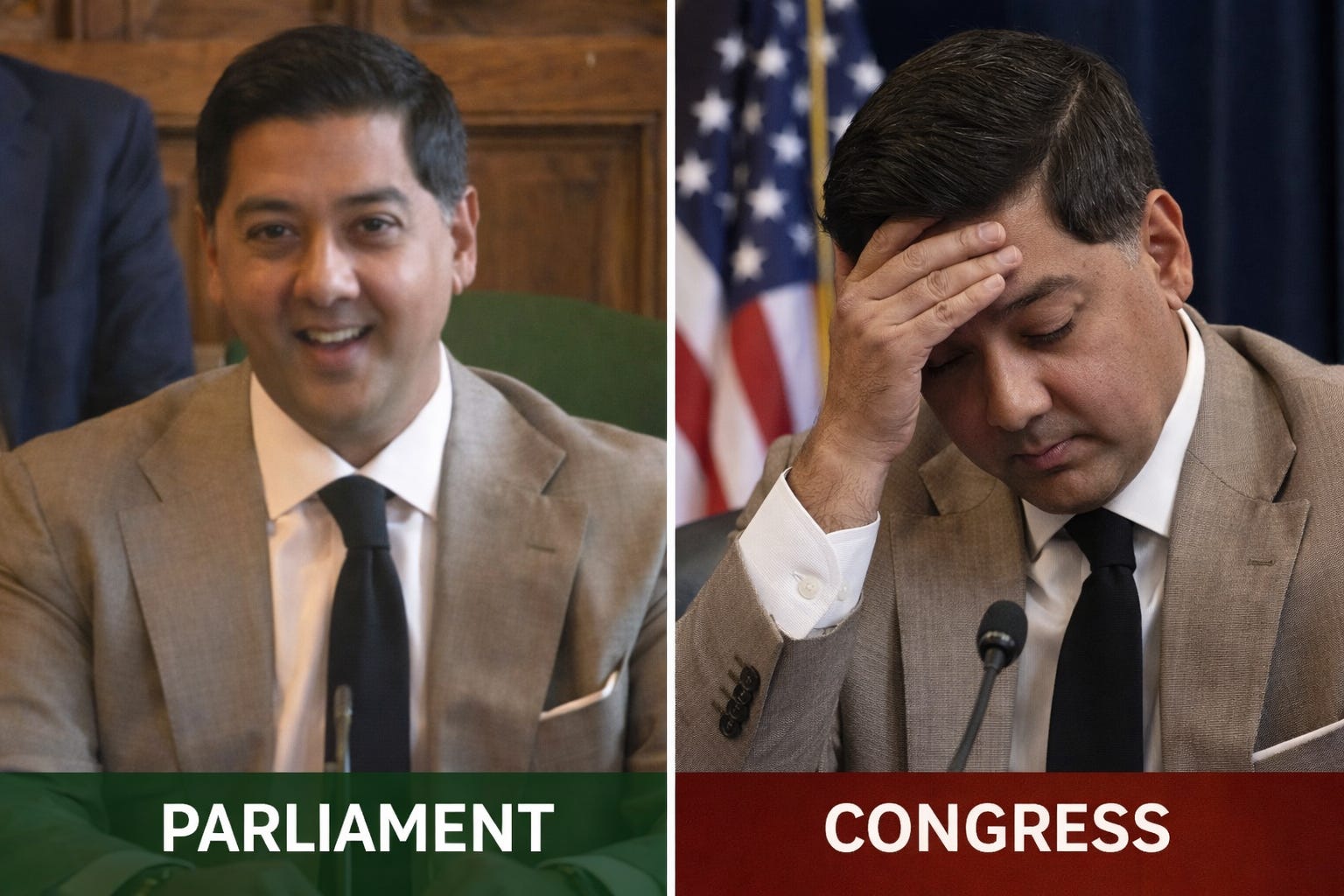
[Image above is illustrative, symbolic image created by ChatGPT-5 for commentary and entertainment purposes only.]
Read, share and comment on the X post dedicated to this article here.
What began as protected speech in Parliament became actionable conduct under the U.S. Constitution.
There are moments in modern information warfare when the most important fact is not what was said—but where it was said. A claim spoken inside Parliament can metastasize into something that feels like official truth—powerful enough to be exported, translated into ‘risk’ language, and cited in ways that can help catalyze an arrest attempt against a U.S. citizen for speech made entirely within the United States. A claim repeated before Congress can become a policy premise. A claim embedded into NGO “research” can be laundered into platform enforcement, advertiser boycotts, media headlines, and government pressure—all while the underlying evidence remains just out of reach, always promised, never produced.
That is the core revelation that emerges when you line up three threads that were never meant to be stitched together in public:
The Royal Grift’s investigation into the CCDH ecosystem and its transatlantic influence mechanics.
Imran Ahmed’s congressional testimony hinging on a supposed internal Facebook study that allegedly “confirmed” CCDH’s most explosive claim.
The U.S. case now unfolding in which Ahmed, a figure who built his brand on reputational offensives, has entered U.S. court as a plaintiff—framing himself as a civil-liberties victim—while the government quietly signals it believes it can beat him on the law.
This isn’t merely a dispute about speech. It is a dispute about how reputations are weaponized, how authority is simulated, and what happens when a model built under the protective canopy of UK privilege is deployed into a jurisdiction with sharper constitutional teeth.
The Royal Grift’s Frame: This Was a Machine, Not a Movement
The Royal Grift’s investigation below, delivered with the channel’s signature mix of narrative excavation and institutional skepticism, makes one central claim: what we have been told is “grassroots concern” about misinformation was, in practice, a political influence technique—a disciplined system of pressure, media coordination, and reputational targeting, refined in Britain and exported to the United States.
Whether one agrees with every interpretive conclusion or not, the investigation is valuable because it foregrounds something most mainstream coverage avoids: mechanism, not ideology.
The core mechanism is simple:
Produce reports framed as neutral research, but written to yield enforcement outcomes.
Seed those reports through aligned media channels
Activate advertisers and platform trust-and-safety teams by turning the report into a “risk object.”
Push government officials to cite the report, inject them into agency briefings, which then increases its authority, which then increases platform compliance.
Treat the resulting censorship as ‘proof’ the targets were dangerous in the first place.
It is not a legal process; it is an enforcement simulation—and one with devastating real-world consequences. As I documented in a detailed exposé below, the same narrative machinery was later weaponized by a UK-based network to construct a dossier about me, alleging criminal conspiracy and forming the basis of an ex parte arrest application in a UK proceeding to which I was never a party, filed in June of last year.
Indeed, the patently false and thoroughly debunked Disinformation Dozen report—because it named individuals, quantified blame, and delivered global headlines -friendly statistic (still not a single one retracted)—became one of the most potent enforcement objects and information weapons of the COVID era.
The Disinformation Dozen: A Statistic That Behaved Like a Prosecutor’s Verdict
In March 2021, CCDH released its report claiming that up to 65% of vaccine misinformation circulating on Facebook and Twitter originated from twelve people—the “Disinformation Dozen.”
The number “65%” did more than inform. It functioned like a court judgment, a risk label, and a moral verdict all at once. It gave institutions permission to do what they wanted to do anyway: throttle reach, strip monetization, deplatform, and isolate. It also offered officials an easy rhetorical weapon—“a handful of actors are responsible for most of the harm”—which helps justify extraordinary interventions.
But Facebook publicly refuted the narrative. And here the story should have turned toward evidence.
Instead, it turned toward something else: a phantom study.
This framing was not merely inflammatory—it was knowingly false.
As the congressional record and contemporaneous testimony make clear, Facebook itself had already acknowledged that the “Disinformation Dozen” claim was untrue. Yet censorship proceeded anyway following White House pressure.
During a July 20, 2023 House hearing on the “weaponization of the federal government,” convened at the invitation of Republican members and featuring testimony by then, presidential candidate Robert F. Kennedy Jr., this false narrative was directly confronted. In the clip below, Imran Ahmed is challenged on the fact that the underlying claim he promoted—that twelve individuals generated a majority of online vaccine misinformation—was already known to be inaccurate at the time it was repeated to Congress.
This moment exposes whether Ahmed was misled—or knowingly misled others.
The Phantom Facebook Study: Hearsay Elevated Into Congressional Fact
In December 2021, in formal written testimony submitted to the United States Congress, Imran Ahmed made a claim that—if true—would have instantly resolved the growing credibility crisis surrounding the Disinformation Dozen report. He asserted that Facebook had produced internal research on the very day CCDH released its report, and that this internal work confirmed that a tiny number of accounts were reponsible for more than half of all “anti-vaccine content circulating on the platform.
The implication was clear and powerful: Facebook may have publicly rejected CCDH’s conclusions, but privately, it had validated them.
Ahmed linked this claim to the disclosures of Facebook whistleblower Frances Haugen, whose revelations during the “Facebook Papers” cycle were widely reported and politically consequential. In doing so, he presented the alleged internal study not as conjecture or interpretation, but as settled fact—something already known, already confirmed, already beyond dispute.
Here is where the narrative collapses under scrutiny.
Where is that internal Facebook study?
Not a paraphrase. Not a reporter’s summary. Not an allusion embedded in a hearing statement. The document itself—or at minimum, an authenticated description that would allow Congress to understand what was studied, what was measured, what was compared, and what was actually concluded.
No such document was attached to the testimony. No methodology was described. No citation or identifier was provided. No copy—redacted or otherwise—was submitted to Congress, the court of public opinion, or later investigators.
This matters because Ahmed’s assertion was not casual commentary. It was formal testimony to a co-equal branch of the U.S. government, offered in a context where Congress was weighing regulatory pressure, platform intervention, and policies that would directly affect identifiable U.S. citizens. In that setting, evidentiary norms are not optional. Claims presented as fact—particularly claims used to justify censorship, deplatforming, or reputational targeting—are expected to be disclosable, reviewable, and verifiable.

Instead, the claim rests on a chain of hearsay: a whistleblower’s account, filtered through media reporting, then elevated—without qualification—into the congressional record as confirmation. That is not merely a lapse in rigor. Under U.S. law, it raises serious questions about whether Congress was materially misled.
That distinction is not academic. 18 U.S.C. § 1001 makes it a felony to knowingly and willfully make materially false, fictitious, or misleading statements in any matter within the jurisdiction of the legislative branch of the United States, which is arguably why deportation here would be a lenient sanction relative to criminal prosecution. The statute does not require testimony to be sworn, nor does it require proof of personal gain. It requires only that a false or misleading statement be material—that is, capable of influencing congressional deliberation or action. The penalties are substantial: up to five years’ imprisonment per violation, along with fines and significant collateral consequences, including exposure in related civil proceedings.
This legal exposure is heightened—not diminished—where such statements are relied upon to justify government pressure on private actors, particularly when that pressure results in the suppression of constitutionally protected speech or the reputational targeting of identifiable individuals.
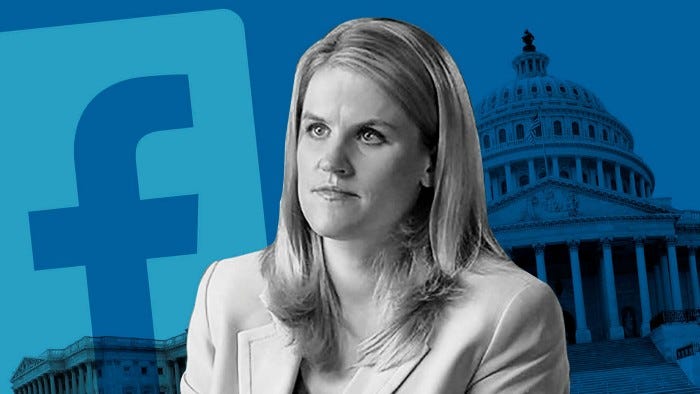
As PBS and other outlets have observed in their coverage of the Haugen disclosures, while Facebook did conduct extensive internal research on engagement and content dynamics, the precise contours of any supposed study “confirming” the Disinformation Dozen narrative—what it measured, how it defined thresholds, and whether it substantiated the 65% figure—have remained persistently opaque and contested. No document matching the claim presented to Congress has ever been produced.
That gap is not incidental. It is the mechanism by which narrative laundering operates.
A missing document can be invoked indefinitely. It can be treated as authoritative without ever being examined. It can be cited to justify enforcement, censorship, and government pressure—always “known,” never inspected.
What makes this episode especially egregious is that Ahmed did not frame the claim as inference, hypothesis, or disputed interpretation. He presented it as fact, in writing, to Congress. In the United States, that carries legal weight. Assertions of this kind are governed by statutes designed precisely to prevent policy, enforcement, and constitutional injury from being built on unverifiable claims.
This is the point at which a practice that may pass without consequence under parliamentary privilege abroad collides with the American legal system. In Parliament, allegations can be made under immunity, reputations can be destroyed by implication, and no evidentiary reckoning is required. In the United States, testimony is not theater. It is evidence. And evidence that cannot be produced does not merely weaken an argument—it invites accountability.
A Pattern Beyond Vaccines: The Federalist, the NBC Verification Unit, and Economic Pressure as Enforcement
The Royal Grift video doesn’t treat the Disinformation Dozen report as an isolated incident. It situates it in a larger pattern: a playbook of economic coercion—demonetization threats, advertiser boycotts, and reputational labeling—designed to force compliance without courts, ballots, or due process.
One of the clearest public case studies is the 2020 episode involving The Federalist, Google, and NBC News’ “Verification Unit.”
In June 2020, Reason reported on NBC’s claims that Google had demonetized The Federalist and ZeroHedge after NBC’s own unit presented “evidence,” only for the situation to unravel publicly amid questions about the underlying basis and how the process was handled.
Meanwhile, The Federalist itself described the episode as an attempted deplatforming/demonetization effort involving a UK-based NGO (CCDH) and the NBC “Verification Unit,” with Google ultimately pressuring changes (notably the comments section) rather than executing the harshest penalty NBC previewed.
Whether one prefers the Reason framing or the Federalist framing, the event illustrates the same architecture: economic pressure as content enforcement—a method that becomes especially potent when NGOs supply the moral rationale, media supplies the countdown clock, and platforms execute under reputational threat.
This is the ecosystem the Royal Grift investigation identifies as operating behind Imran Ahmed’s rise: not scholarship, but leverage. And to the extent that Ahmed functioned as a foreign influence node—coordinating reputational attacks, demonetization, and deplatforming of American citizens for constitutionally protected speech—the legal theory that he is himself a victim of free-speech violations collapses. One cannot plausibly claim First Amendment injury while serving as a principal architect of censorship by proxy.
Stop Hate for Profit, the Advertiser Boycott Model, and the Moralization of Market Power
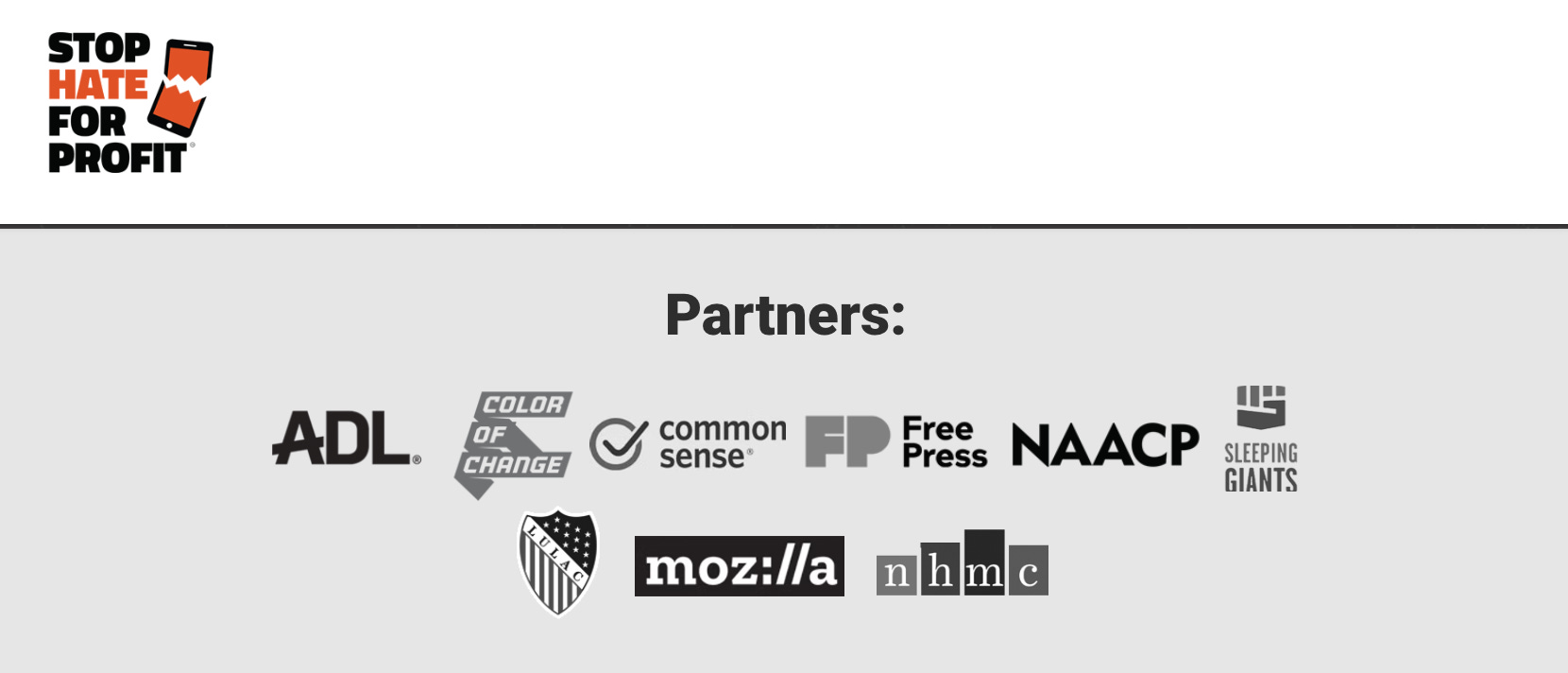
When the Stop Hate for Profit campaign launched in mid-2020, it formalized advertiser leverage as a tool to change platform policy. The ADL’s announcement described the coalition’s call for corporations to pause advertising on Facebook to force policy changes.
It was a new kind of politics: speech policy shaped by coordinated market pressure, justified as moral necessity.
Prince Harry’s public interventions during this period—reported by outlets such as People and Vanity Fair—helped normalize the idea that advertising dollars could be wielded as a moral lever to force platform “reform” on hate and misinformation. Separately, the Royal Grift has reported on Prince Harry’s institutional ties to CCDH through his U.S.-based nonprofit, the Archewell Foundation, further situating these interventions within a broader network of aligned influence.
The Royal Grift investigation places CCDH inside this broader constellation of influence campaigns—NGOs generating “risk narratives,” celebrities laundering them into moral consensus, media reinforcing urgency, and platforms responding as if the campaign were a substitute for democratic legitimacy.
And in the background, organizations like the Institute for Strategic Dialogue (ISD) operate at the policy-framework level, convening regulatory discussions and producing governance models that map “online harms” into enforceable risk categories. ISD’s Digital Policy Lab materials explicitly discuss regulatory compliance themes including the EU’s Digital Services Act and the UK’s Online Safety Act.
The net effect is a coherent apparatus: definition → designation → enforcement.
Which brings us to the most revealing contrast of all: the UK venue where Ahmed could deploy reputational weapons with near immunity, versus the U.S. venue where the same strategy triggers legal blowback.
Parliament as a Weapon: The Reputational WMD That Worked in Britain
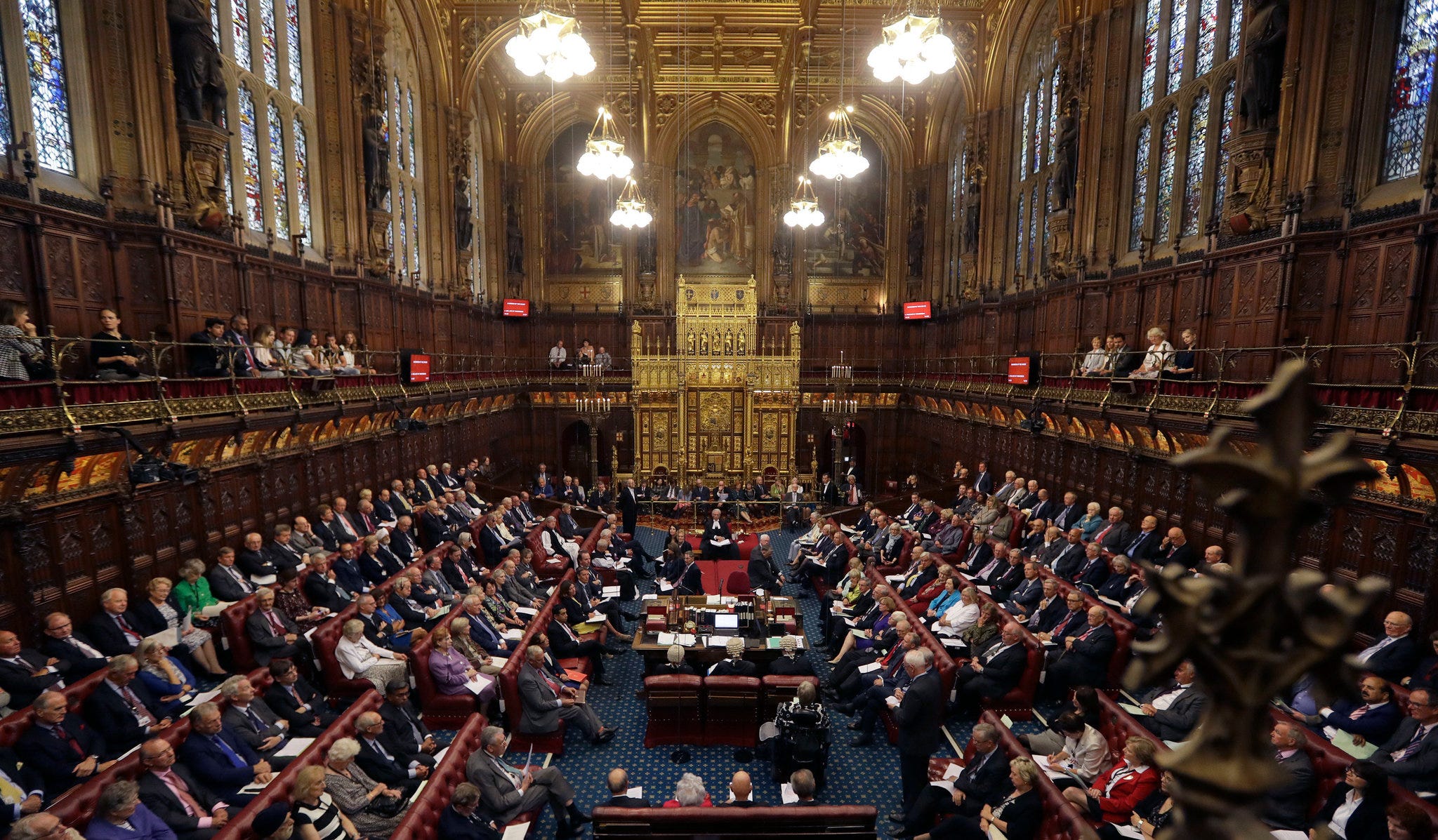
If you want to understand the moral intensity of Ahmed’s approach—why his rhetoric so often moves toward the language of criminals, predators, and lethal threats—you have to look at the model of power he mastered in the UK.
In 2021, Ahmed submitted evidence to Parliament in the context of online safety and disinformation debates. The heart of the posture is that dissenting “anti-vax” speech is framed not as debate but as a deadly societal threat—and the Disinformation Dozen narrative is used as an anchor for sweeping interventions.
This is narrative laundering at its most effective: once the analogy to murderers and groomers is placed into a privileged record, it becomes a reputational kill switch. People don’t hear “policy disagreement.” They hear “public menace.”
And in the UK, parliamentary privilege can function like a fortress: the speech is elevated, targets are named or implied, and legal recourse is structurally constrained.
But here is the hinge:
America is not Parliament.
And when Ahmed attempted to carry this model into the United States—treating Congress as another stage for moralized designation and enforcement—he walked into a system where factual claims carry consequences and where government coercion of speech can become a civil-rights issue, this is not the UK.
The Reversal: When the Enforcer Files Suit as the Victim
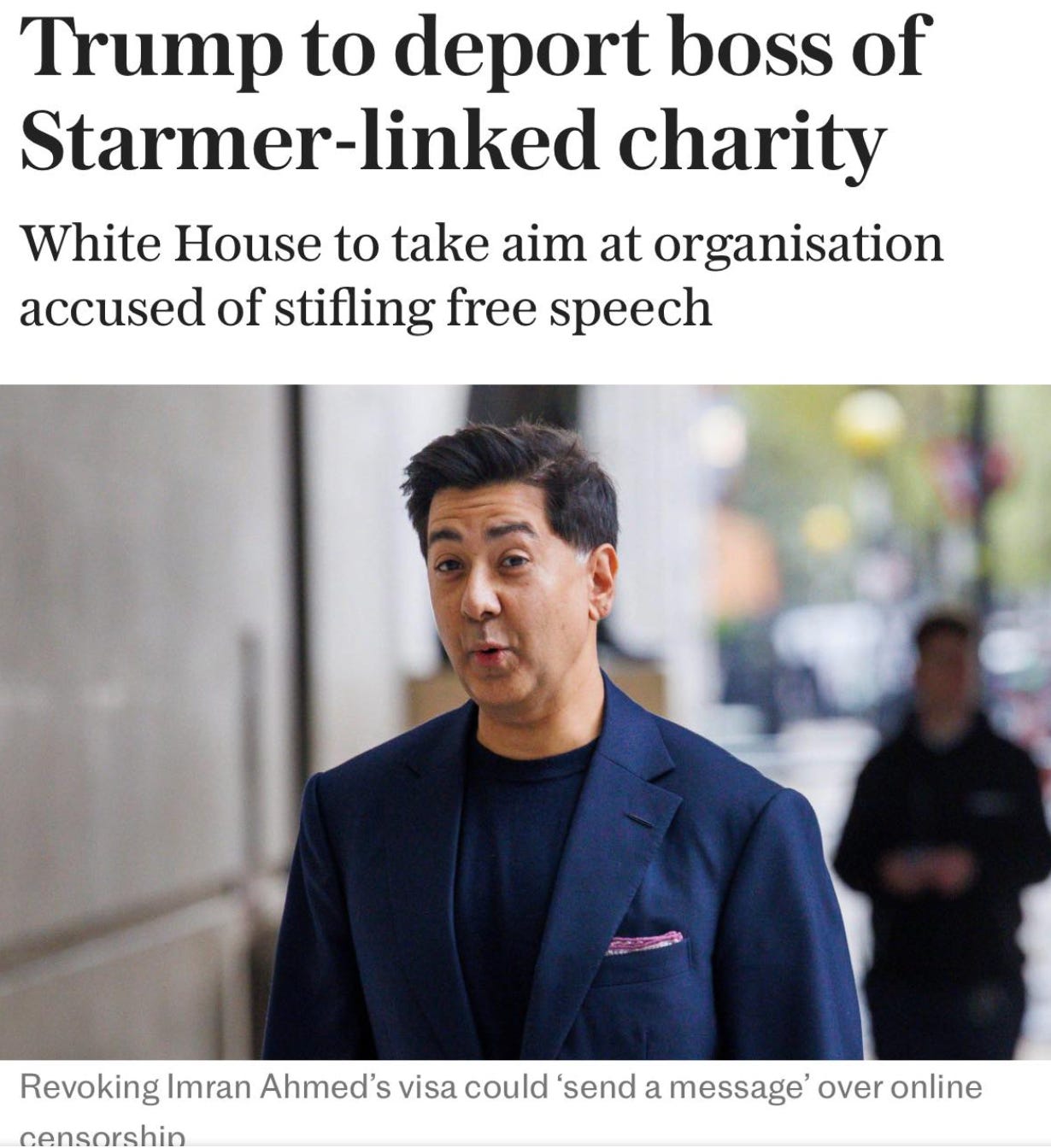
Fast-forward to late 2025. Ahmed is no longer simply a figure testifying about “misinformation.” He becomes the plaintiff in a case against senior U.S. officials—including Secretary of State Marco Rubio—challenging actions he characterizes as unconstitutional retaliation tied to immigration enforcement.
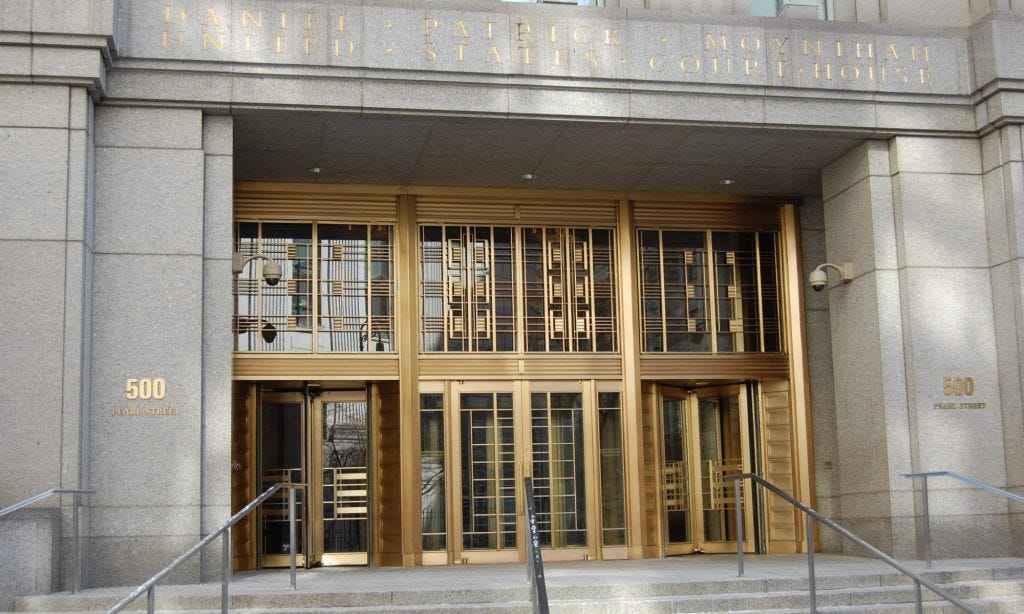
The latest docket development—memorialized in a Stipulation and Order filed January 13, 2026—matters because it shows the government and the plaintiff quietly negotiating the terrain beneath the public drama.
The document confirms the basic procedural sequence:
Ahmed filed his complaint on December 24, 2025.
The court entered a TRO on December 25, 2025, which—among other things—enjoined defendants from arresting or detaining him pending further order.
After a January 5, 2026 conference, defendants consented to extend the TRO during the pendency of the Order to Show Cause.
The parties set a briefing schedule: defendants’ opposition and any motion to dismiss due January 30, 2026; plaintiff’s reply and opposition due February 27; defendants’ reply due March 11.
But the most strategically revealing part is quieter—and far more consequential:
The stipulation strikes a portion of Ahmed’s requested relief that would have enjoined enforcement actions “arising directly or indirectly from an investigation into the applicability of the Foreign Policy Ground.”
That is not a minor edit. It is a retreat from the most structurally threatening demand in the case.

The Ahmed–Rubio / “Deportation” Development: A Brief Chronology Without Hype
Because some of the public discussion is moving faster than the docket, it helps to keep the story anchored.
What can be said cleanly, based on sources currently circulating:
Ahmed is suing senior U.S. officials in SDNY and obtained a TRO preventing arrest/detention while the matter is litigated.
Public commentary is increasingly focused on U.S. actions as visa restrictions and/or removal proceedings connected to a censorship-by-proxy narrative targeting of U.S. citizens like me become a growing concern, a classic act of deflection.
The case is now moving into a motion-to-dismiss posture with set briefing deadlines through March 11, 2026.
That’s the legal skeleton. Everything else—especially motives, internal deliberations, and the full contours of enforcement authority—will be fought either in briefing or (if the case survives) in discovery.
The Larger Meaning: A Boundary Is Being Reasserted
The reason this story feels electrically charged is because it contains a reversal that is almost mythic in its symmetry.
For years, the model ran one way:
Empire asserts undue influence, attacking civic freedom
NGOs designate targets
media amplifies designation
platforms enforce designation
government echoes designation
targets suffer loss of speech, livelihood, reputation—often without a forum
[possible future if not interrupted] the entire operation transmogrifies into actual criminal allegations, prosecution and further human rights violations against those targeted
And then, suddenly, the model flips.
The man most associated with reputational designation—the moral escalation tactic of treating dissenters as if they belong in the same moral category as murderers and groomers—walks into a U.S. courtroom and asks to be treated as the endangered party.
This is the moment where the U.S. system diverges from the UK privilege model. The United States forces the dispute back onto law—not narrative, not insinuation, not “trust us,” but evidence. That is why the phantom Facebook study is so consequential. If a claim cannot withstand evidentiary light, if it survives only through repetition and institutional deference, then it was never truth. It was leverage masquerading as fact—and resisting that sleight of hand is exactly what the American constitutional order exists to do.
Stay tuned for more updates, and read past articles on the Center for Countering Digital Hate in our dedicated section on the topic.
Read, share and comment on the X post dedicated to this article here.
Dig deeper into the unfolding legal conflict between Ahmed and Rubio in my interview on the HireWire in DC last week below.
Thank you for reporting, Sayer Ji. I hope this will wake up some more people about what a treasure we have, and have fought to have, in the US Constitution.
I’m from the U.K. We dint want this poisonous toad back. Send him to Iran.